
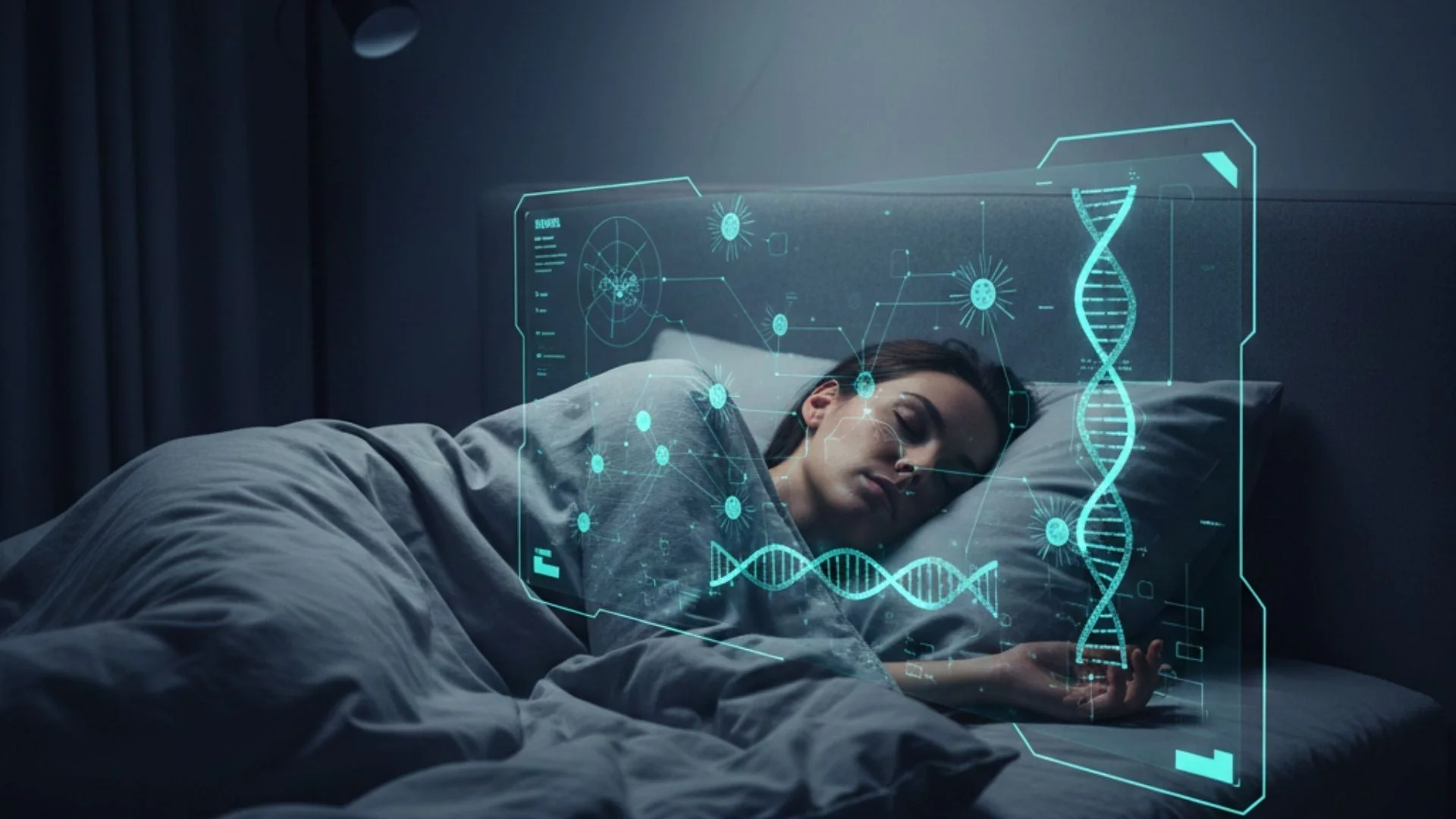
The immune system does not operate independently from the rest of the body. It is closely linked to neurological, hormonal, and metabolic systems. This interconnected nature means that environmental and lifestyle factors can influence how efficiently immune responses are regulated.
The Sleep–Immunity Connection
Sleep affects immune signaling pathways. During restful sleep, the body regulates inflammatory processes and supports immune cell coordination. Disrupted or insufficient sleep may interfere with these regulatory mechanisms.
Improving sleep hygiene can be a practical first step:
- Maintaining a consistent bedtime
- Reducing screen exposure before sleep
- Keeping the sleep environment cool and dark
- Limiting caffeine late in the day
Small changes can make meaningful differences over time.
Stress and Immune Communication
Short-term stress is a natural part of life. However, prolonged stress may influence immune signaling and overall physiological balance.
Stress-management strategies can include:
- Structured relaxation exercises
- Gentle physical activity
- Time in nature
- Social connection
- Limiting information overload
Supporting mental well-being is closely tied to supporting physical wellness.
Environmental Influences
Air quality, sunlight exposure, and time spent outdoors may all play roles in overall health. For example, moderate sunlight exposure contributes to vitamin D production, which supports normal immune function.
Indoor environments also matter. Proper ventilation, clean air, and minimizing exposure to irritants can support respiratory comfort and overall well-being.
A Holistic Perspective
Rather than focusing on isolated factors, it is helpful to view immune health through a holistic lens. Sleep, nutrition, stress management, movement, and environmental awareness all interact. Sustainable improvements often come from gradual adjustments rather than dramatic changes.
Importantly, lifestyle strategies are meant to support general health and do not replace professional medical care. Individuals with specific concerns should consult qualified healthcare professionals for personalized guidance.
By prioritizing balanced daily habits and environmental awareness, individuals can create conditions that help maintain normal immune function and long-term wellness.
